
Alan Blakley: The Tremeloes Musician, Songwriter and Producer Behind the 1960s Hits
For many music fans, the name Alan Blakley is inseparable from the bright, melodic sound of British pop in the 1960s. Yet behind the familiar records associated with The Tremeloes was a musician whose career stretched well beyond performing on stage. As a rhythm guitarist, keyboard player, songwriter and record producer, Blakley helped shape the sound of one of Britain’s best-known pop groups and later worked behind the scenes with other successful acts.
His story is also one of several chapters. There was the rise of The Tremeloes, the group’s breakthrough during the British beat era, his songwriting partnership with Len “Chip” Hawkes, his later work as a producer and his connection to The Rubettes. Away from music, his family life also attracted attention because he was married to actress Lin Blakley and was the father of actress Claudie Blakley.
Alan Blakley died in 1996 at the age of 54 after suffering from cancer, bringing a relatively short but productive career to an end.
Quick Bio of Alan Blakley
| Detail | Information |
|---|---|
| Full name | Alan David Blakley |
| Born | 1 April 1942 |
| Birthplace | Bromley, Kent, England |
| Died | June 1996 |
| Age at death | 54 |
| Cause of death | Cancer |
| Profession | Musician, guitarist, keyboard player, songwriter and record producer |
| Best known for | The Tremeloes |
| Musical genres | Pop and rock |
| Main instruments | Rhythm guitar and keyboards |
| Wife | Lin Blakley |
| Children | Kirsten Blakley and Claudie Blakley |
| Major musical association | The Tremeloes |
| Production work | The Rubettes, Mungo Jerry, Bilbo and other artists |
Who Was Alan Blakley?
Alan David Blakley was an English musician and record producer who became particularly well known through his long association with The Tremeloes. Born on 1 April 1942, he entered the music business during the formative years of Britain’s beat and pop explosion.
Blakley was not simply a member who appeared in the background of a successful band. He played rhythm guitar and keyboards and contributed to the songwriting that helped define the group’s repertoire. His career demonstrates how musicians from the British beat generation could move between performing, composing and production as the music industry developed.
His name is most closely connected with The Tremeloes, the group that initially performed as Brian Poole and the Tremeloes. The band formed in 1958 and eventually became one of the familiar names of the British pop scene.
Blakley’s career with the group lasted through its early years, its commercial breakthrough and later changes in direction. Although he eventually stepped away from the band’s regular lineup to concentrate on production, he returned before illness forced him to retire.
Alan Blakley and The Tremeloes
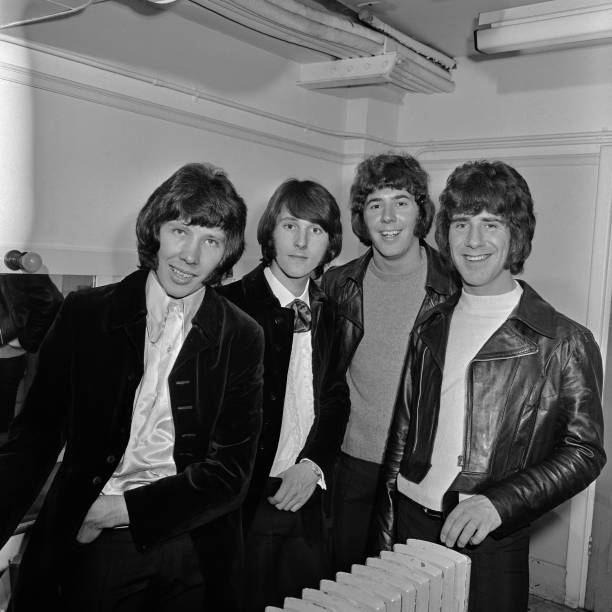
The Tremeloes were formed during a period when British youth culture was changing rapidly. Guitar groups were becoming increasingly popular, and the arrival of artists from America was influencing young British musicians.
Blakley became part of that movement when the group was still closely associated with singer Brian Poole. The band’s major breakthrough arrived in 1963 with its version of “Do You Love Me,” which reached number one on the UK singles chart. That success established the group nationally and placed its members at the centre of the British pop boom.
The departure of Brian Poole did not end the band’s career. Instead, The Tremeloes continued as a four-piece and developed a successful identity of their own. This second phase produced some of the group’s most enduring records.
Among the best-known songs associated with The Tremeloes were “Here Comes My Baby,” “Even the Bad Times Are Good,” “Silence Is Golden,” “Suddenly You Love Me,” “(Call Me) Number One” and “Me and My Life.” Blakley’s role within the group extended beyond playing instruments, with songwriting becoming an important part of his contribution.
The Success of “Silence Is Golden”
One of the songs most strongly associated with The Tremeloes is “Silence Is Golden.” Released in 1967, it became one of the group’s signature recordings and remains one of the defining British pop hits of that era.
It is important, however, to distinguish between performing a famous song and writing it. “Silence Is Golden” was not written by Alan Blakley. The song was written by Bob Crewe and Bob Gaudio, and The Tremeloes turned it into a major hit through their own recording. This distinction matters when discussing Blakley’s songwriting career because his genuine writing credits are extensive without incorrectly attributing every major Tremeloes hit to him.
The same caution applies to “Here Comes My Baby,” another important Tremeloes recording. The song was written by Cat Stevens, while Blakley contributed as a member of the performing group rather than as its original songwriter.
Alan Blakley as a Songwriter
Blakley’s songwriting work is one of the most interesting parts of his career. His contribution to The Tremeloes was not limited to playing rhythm guitar and keyboards. He was involved in writing and composing material for the group, often working with fellow member Len “Chip” Hawkes.
Music catalogues credit Blakley with numerous compositions and performances connected to The Tremeloes. His songwriting credits continued to appear across the group’s recordings and later releases, demonstrating that he was an important creative figure within the band.
Among the songs associated with his writing credits are “(Call Me) Number One,” “My Little Lady,” “Me and My Life,” “Helule Helule” and other recordings. His work as a composer helped give The Tremeloes a broader musical identity as the band moved beyond its earliest beat-pop material.
The songwriting relationship with Chip Hawkes was particularly significant. Together, the two musicians contributed to the creative output of The Tremeloes during an important period in the group’s career.
“(Call Me) Number One” and Other Songs
“(Call Me) Number One” is among the recordings frequently connected with Alan Blakley’s songwriting credits. It illustrates the difference between his role as a performer and his role as a composer.
Blakley also received songwriting credits on material associated with “Me and My Life,” “My Little Lady” and other Tremeloes recordings. His catalogue extends across several years, and music databases list him in roles including composer, rhythm guitarist, keyboard player and vocalist.
His musical output should therefore be viewed as part of a larger creative career rather than being defined by one famous single. The records associated with his name reveal a musician who was active on both sides of the recording process.
Alan Blakley and His Move Into Production
One of the most important changes in Blakley’s career came when he moved away from regular work with The Tremeloes and became increasingly involved in record production.
This was a natural progression for a musician with experience in songwriting, arranging and recording. Rather than leaving the music business behind, Blakley moved into another part of it.
His production credits included work with Bilbo and Mungo Jerry, among others. He also became closely associated with The Rubettes, helping produce and shape recordings during the group’s 1970s career.
This second phase of his career is sometimes overlooked because his public identity remains strongly connected to The Tremeloes. Yet production became a major part of his professional life and demonstrated that his musical abilities extended well beyond performing in a pop group.
Alan Blakley and The Rubettes
The Rubettes became one of the prominent British pop groups of the 1970s, and Blakley was involved in their recorded output as a producer.
His production work with The Rubettes included the album “Sign of the Times,” released in 1976. He was also credited in connection with other Rubettes recordings and albums during the period.
The relationship was significant because it placed Blakley in a different musical environment from the one that had made him famous. The Tremeloes represented the 1960s beat-pop movement, while The Rubettes belonged to a later generation of British pop and glam-influenced music.
His work with the Rubettes shows how Blakley adapted to changes in the music business. He was able to take the experience he had gained as a performer and songwriter and apply it to the production process.
Alan Blakley and Mungo Jerry
Blakley also had production links with Mungo Jerry, another act that became prominent in British popular music.
His association with the group added another dimension to his production career. Rather than working exclusively with one style of artist, he participated in projects across the changing British pop and rock landscape.
Music databases record Blakley’s involvement with Mungo Jerry alongside his much larger body of work connected with The Tremeloes and The Rubettes.
Alan Blakley’s Family Life
Away from the recording studio, Alan Blakley’s personal life was connected to the British entertainment industry through his marriage to actress Lin Blakley.
The couple married in 1969 and had two daughters, Kirsten and Claudie. Claudie Blakley later became a successful actress, while Kirsten became involved in music as the lead singer of the independent band Little Spitfire.
The family connection is particularly notable because it means Blakley’s influence on the entertainment world extended into the next generation. His daughter Claudie developed a career in acting and became known for roles in television, film and theatre.
Lin Blakley also pursued an acting career. She later became known to television audiences for her work, including her role as Pam Coker in EastEnders. Her own account of the couple’s history places their marriage in 1969 and describes how becoming a mother affected the timing of her acting career.
Alan Blakley and Claudie Blakley
The connection between Alan Blakley and Claudie Blakley is one of the most frequently searched aspects of his family history.
Claudie was born during Alan’s marriage to Lin and eventually established her own career as an actress. Her work includes acclaimed television and film appearances, giving the Blakley family a continuing presence in British entertainment.
Although Claudie’s career developed independently of her father’s music, the family connection is an interesting part of Alan Blakley’s biography. It also demonstrates how the entertainment industry became a recurring thread through the family’s lives.
What Did Alan Blakley Die Of?
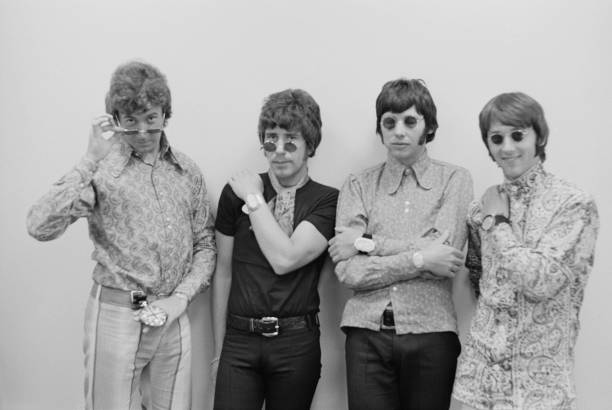
The question “What did Alan Blakley die of?” is one of the most prominent searches associated with his name.
Available biographical sources state that Alan Blakley died from cancer in 1996. He was 54 years old. Sources differ slightly on the precise date of his death, with some giving 1 June 1996 and others listing 10 June 1996, but they agree on the year, his age and the reported cause of death.
He had been forced to retire from performing because of his health shortly before his death. His passing marked the end of a career that had begun during the early years of the British beat boom and continued into the changing musical landscape of the 1970s and 1980s.
Because of the conflicting exact dates in online sources, a careful biography should simply state that Blakley died in June 1996 in London, rather than presenting one disputed date as unquestionably definitive.
Alan Blakley’s Death and Legacy
Alan Blakley’s death was a relatively quiet end to a career that had touched several important moments in British popular music.
He had experienced the extraordinary rise of guitar-based pop in the 1960s, helped The Tremeloes achieve major chart success, participated in songwriting and later developed a career as a producer. His work with The Rubettes meant that his influence continued into the 1970s, even as the music industry changed around him.
That versatility is perhaps the strongest reason his career remains interesting today. Blakley was not simply a member of a nostalgic 1960s pop group. He was a musician who moved between performance, composition and production.
The Importance of Alan Blakley to The Tremeloes
When discussing The Tremeloes, it is easy to focus on the group’s biggest singles and overlook the people who helped create them.
Blakley’s contribution was multi-layered. His rhythm guitar and keyboard playing supported the group’s recordings, while his songwriting helped provide original material. His later production work demonstrated that his understanding of music extended beyond performing.
The Tremeloes’ success also needs to be understood in the context of British pop history. Their career began when skiffle and early rock influences were giving way to beat music, and they remained active as musical tastes changed.
Blakley experienced that transformation from inside the industry.
Why Alan Blakley Is Still Searched Today
Search interest in Alan Blakley is driven by several overlapping questions. People want to know about his death, his cancer diagnosis, his wife, his children, his songs and his involvement with The Tremeloes.
There is also considerable potential for confusion because other people have similar names. Searches for Alan Blakley professor, Alan Blakley photography and Alan Blakley Ford Somerset KY can lead toward unrelated individuals or businesses.
There is also a different spelling, Alan Blakely, associated with a photographer. That person should not be confused with the British musician Alan Blakley.
For anyone researching the musician, the most useful identifiers are Alan David Blakley, The Tremeloes, guitarist, songwriter, producer and Lin Blakley.
Alan Blakley’s Place in British Music History
Alan Blakley’s career mirrors several decades of British popular music. He entered the industry during the formative beat era, achieved national success with The Tremeloes and later moved behind the scenes as a producer.
His story is therefore larger than a simple list of chart appearances. It is a story about how musicians adapted as the British record industry evolved.
The Tremeloes gave Blakley his public platform, but songwriting and production gave him a longer creative life within music. His work with artists such as The Rubettes and Mungo Jerry demonstrates that his career did not end when the peak years of 1960s pop began to fade.
Today, Alan Blakley is remembered principally for his contribution to The Tremeloes and the British pop scene. His death in 1996 came much earlier than many fans might expect, but his recordings, songwriting credits and production work preserve an important part of his musical legacy.
Final Thoughts on Alan Blakley
Alan Blakley occupied a fascinating position in British music history. He was part performer, part songwriter and part studio craftsman. As a member of The Tremeloes, he helped create the sound of an era when British guitar groups were transforming popular culture. Later, as a producer, he demonstrated that his musical instincts could work just as effectively away from the spotlight.
His personal story adds another layer. His marriage to Lin Blakley connected him to another branch of British entertainment, while his daughters continued into music and acting. His career ended with his death from cancer in 1996 at just 54, but his contribution to British pop music remains preserved through The Tremeloes’ recordings and the artists he subsequently helped in the studio.
For readers discovering his name through searches about Alan Blakley death, Alan Blakley songs, Alan Blakley wife or Alan Blakley Tremeloes, the bigger story is worth remembering: he was not simply a name attached to a famous 1960s band. He was a versatile musician who helped write, perform and produce music across two important decades of British popular culture.
Comments
So empty here ... leave a comment!